Product Overview
High-Temperature and High-Pressure Large-Diameter Forged Gate Valve
I. Product Overview: Reliable Fluid Control for Extreme Conditions
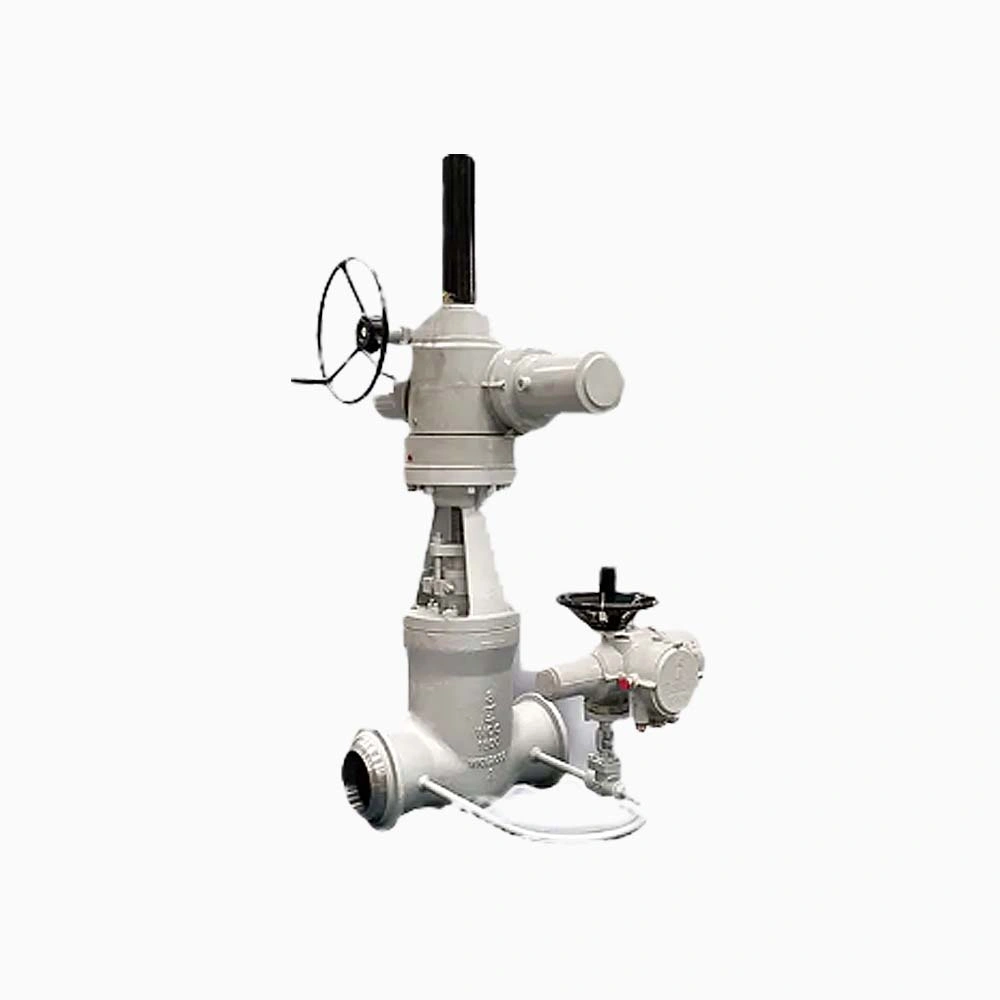
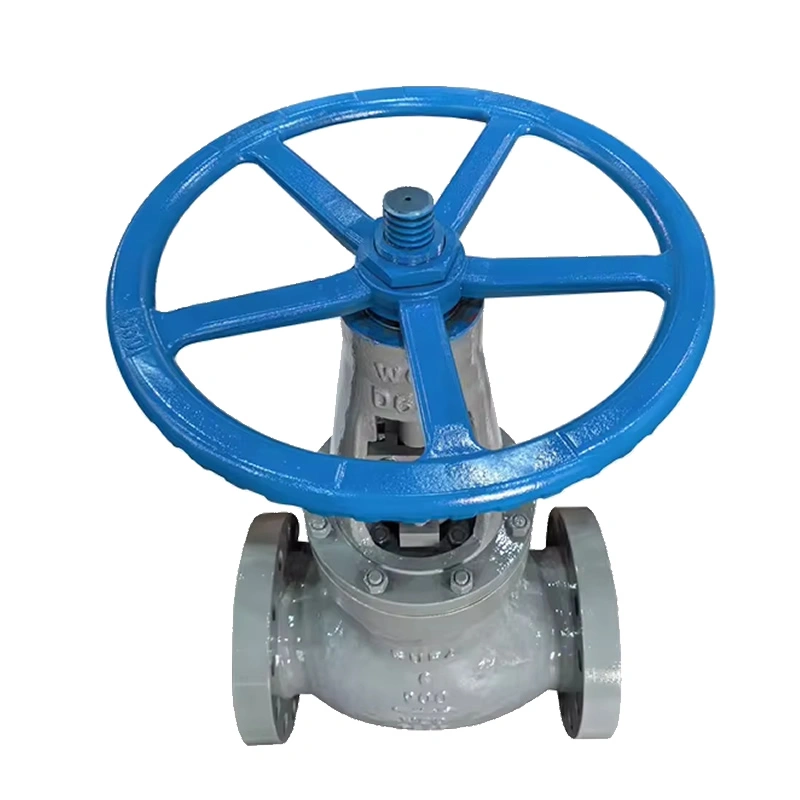
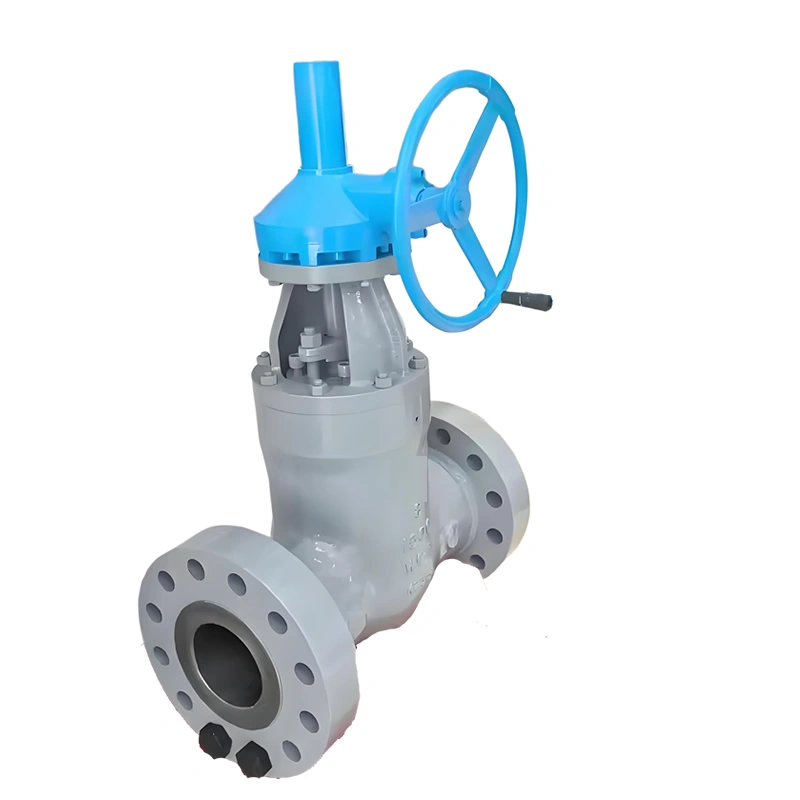
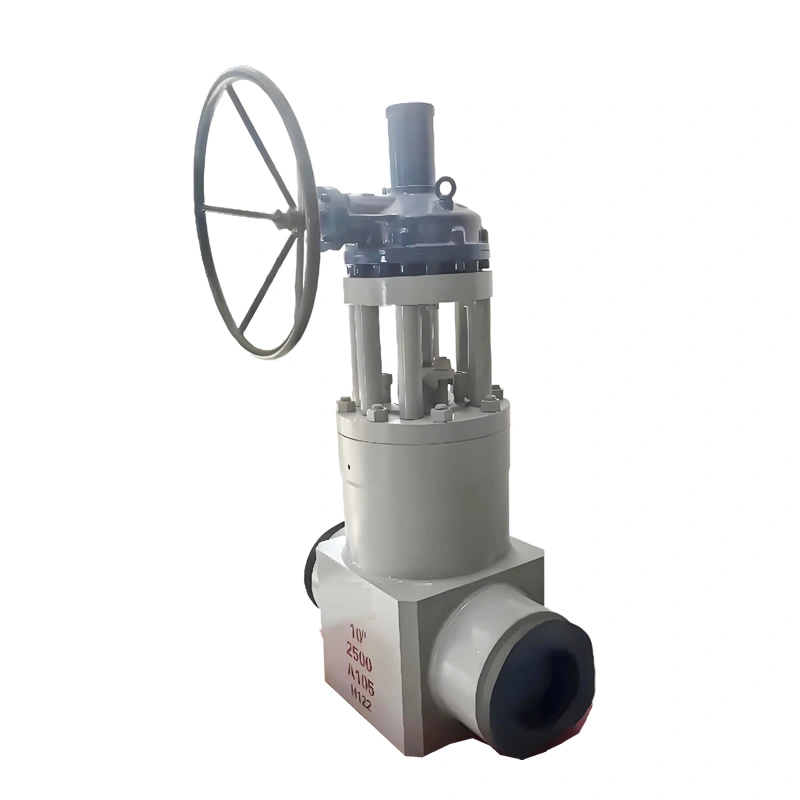
High-Temperature and High-Pressure Large-Diameter Forged Gate Valve is designed for high-temperature and high-pressure conditions in power, petrochemical, and metallurgy industries. The valve body uses integral free forging with a forging ratio ≥5:1, combined with a pressure self-sealing structure that relies on medium pressure for dynamic sealing, eliminating leakage risks from traditional flange connections. Compliant with ASME B16.34 and API 600, it operates stably between -29℃~540℃ and Class 150~Class 2500, suitable for intercepting water, steam, oil, and natural gas. Core advantages lie in the high strength of forged bodies, reliability of self-sealing, and customized design for extreme conditions.
Specification
|
Execution standards
|
API, JIS, DIN, BS, ASTM, ANSI, GB, JB, NB, HG
|
|
Pressure range
|
Class150~Class2500Lb(PN16-PN420)
|
|
Size range
|
NPS1/2 “to NPS72” (DN15mm to DN1800mm)
|
|
Material scope: Forgings
|
A105, F91,F11,F22, F5a, F6, LF1,LC2,12Cr1MoV, F36, F304, F316, F321H
|
|
Material scope: Castings
|
WCB, LCB, LCC,WB36, WC6, C5, WC9, C12A, 20CrMOV, CF8, CF8M, 4A, 5A
|
|
Operate Type
|
Manual, electric,pneumatic, gear
|
|
Valve type
|
Power station valves, gate valves, globe valves, check valves
|
|
Application
|
power plants,petrochemicals,refining, natural gas, metallurgy
|
|
Connection type
|
Flange, welding, thread, FM, BW, SW
|
|
Customization
|
OEM/ODM/OSM/OBM
|
II. Key Attribute Parameters: Comprehensive Technical Specifications
|
Parameter Category
|
Technical Indicators
|
|
Nominal Diameter Range
|
NPS 1/2″~NPS 48″ (DN15~DN1200), covering full-size needs from instrument lines to main steam pipes
|
|
Pressure Class
|
Class 150, 300, 600, 900, 1500, 2500 (PN16~PN420), adaptable to different pressure systems
|
|
Execution Standards
|
Design: ASME B16.34, API 600, BS 1873; Face-to-Face: ANSI B16.10; Welding: ANSI B16.25
|
|
Material System
|
– Body/bonnet: A105, F22, F91, WC6, WC9, CF8M, etc.;
– Sealing surface: Stellite alloy hardfacing (hardness ≥HRC58)
|
|
Operation Modes
|
Manual (with handwheel/gearbox), electric (explosion-proof optional), pneumatic, hydraulic, supporting remote control integration
|
|
Connection Types
|
Butt Weld (BW), Flanged (RF/RTJ), Threaded, compliant with ANSI B16.5 and other international standards
|
|
Temperature Range
|
Carbon steel ≤425℃, alloy steel ≤540℃, stainless steel ≤200℃, low-temperature steel (LCB) down to -196℃
|
III. Core Features: Forging Process and Self-Sealing Technology Advantages
Advantages of Integral Free Forging Structure
The valve body adopts integral free forging with a forging ratio ≥5:1, featuring dense and uniform grain structure without casting defects. Compared to castings, tensile strength increases by 30%, impact toughness by 50%, and fatigue resistance by 2x, suitable for frequent start-stop conditions. Ultrasonic testing (UT) shows internal defect rate <0.1%, far exceeding industry standards (≤1%).
Innovative Pressure Self-Sealing Design
The bonnet-body wedge-type self-sealing structure increases sealing specific pressure with medium pressure. At Class 2500, sealing performance is 90% better than traditional flanges, eliminating regular bolt tightening and reducing maintenance. This structure also removes leakage risks from gasket aging, ideal for high-temperature steam and corrosive gases.
Wide-Condition Adaptability Design
Temperature Adaptation: Materials like F91 alloy suit supercritical steam (540℃), while low-temperature steel (LCB) works for LNG terminals (-196℃);
Pressure Fluctuation: The self-sealing structure automatically compensates for ±30% pressure changes, maintaining reliable sealing;
Medium Compatibility: Stellite-alloy hardfaced seals enhance erosion resistance 4x, suitable for particle-laden media (e.g., coal powder, catalysts).