Specification
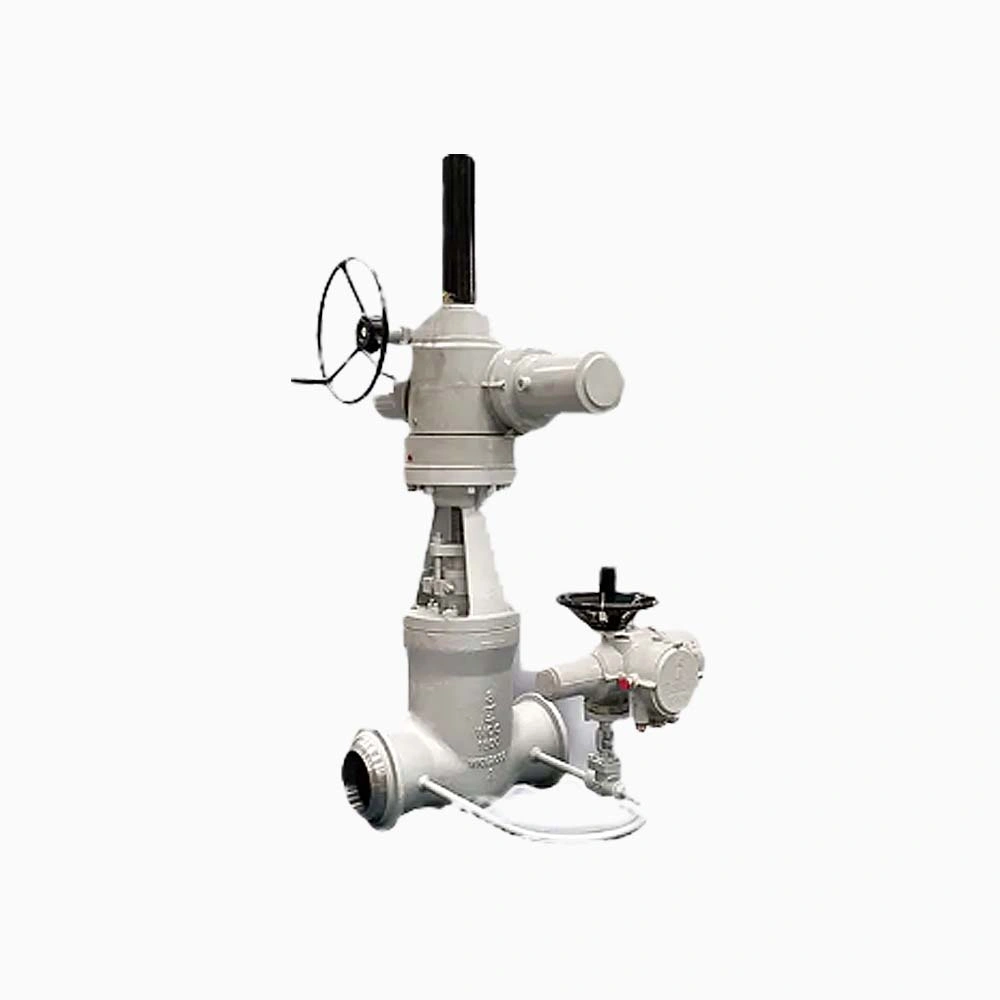
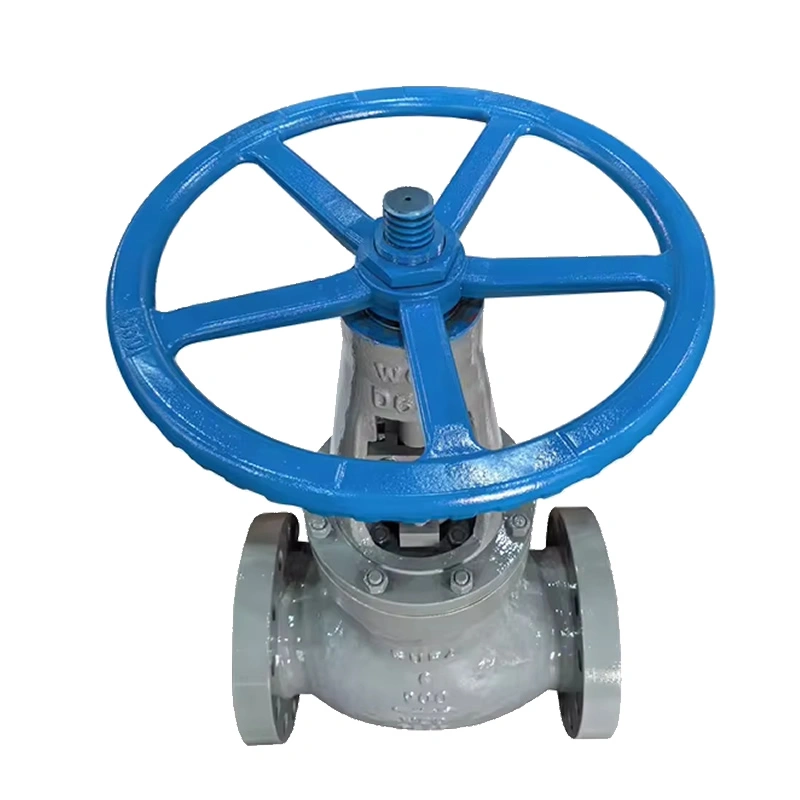
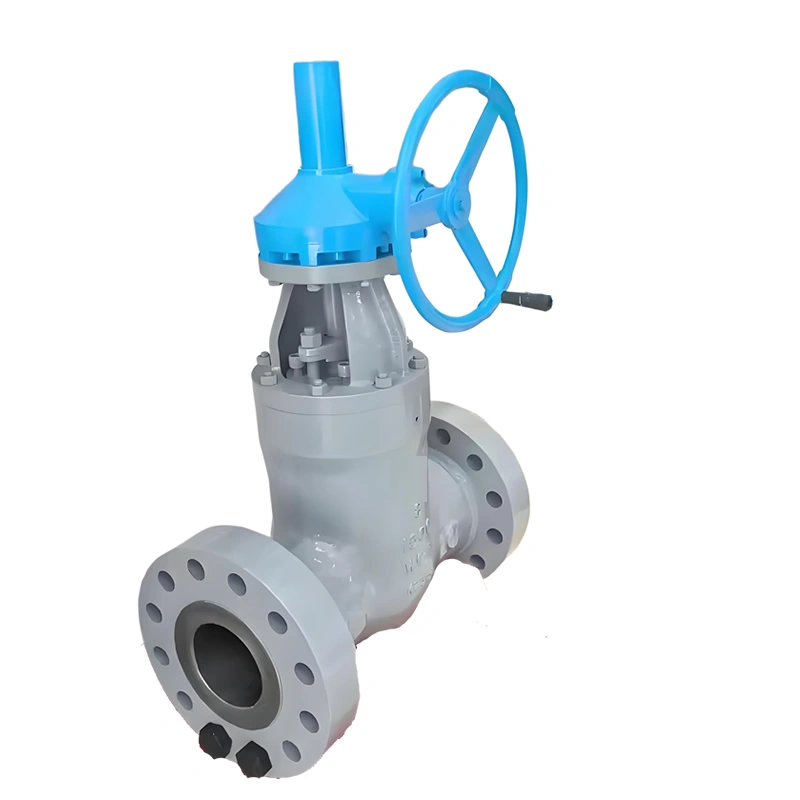
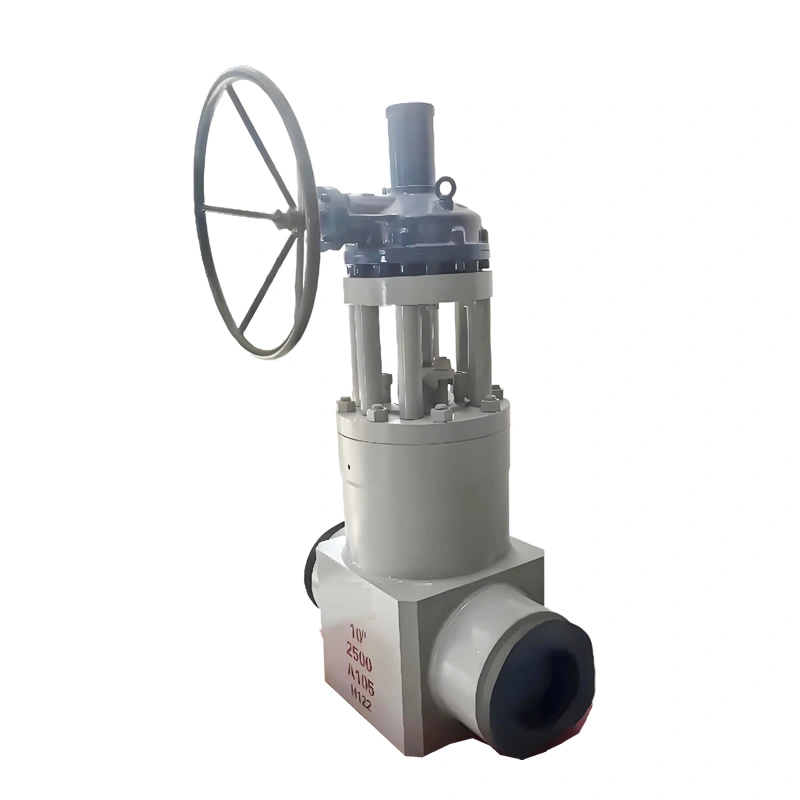
High Temperature and Pressure Electric Power Station Gate Valve Self-Sealing Welded Gate Valve
|
Execution standards
|
APL, JIS, DIN, BS, ASTM, ANSI, GB, JB, NB, HG
|
|
Pressure range
|
Class150~Class2500Lb(PN16-PN420)
|
|
Size range
|
NPS1/2 “to NPS72” (DN15mm to DN1800mm)
|
|
Material scope Forgings
|
A105,F91.F11.F22,F5a, F6, LF1LC2,12Cr1MoV F36 F304.F316. F321H
|
|
Material scope Castings
|
WCB, LCB, LCC,WB36, WC6, C5, WC9, C12A,20CrMOV,CF8,CF8M,4A,5A,6
|
|
0perate Type
|
Manual, electric,pneumatic, gear
|
|
Valve type
|
Power station valves, gate valves, globe valves, checkvalves
|
|
Application
|
power plants,petrochemicals,refining, natural gasmetallurgy
|
|
Connection type
|
Flange, welding, thread, FM, BW, SW
|
|
Customization
|
OEM/ODM/OSM/OBM
|
Product Overview
High-Temperature and High-Pressure Power Station Gate Valve: NWV Self-Sealing Welded Gate Valve Professional Solution
I. Product Overview: Core Fluid Control Equipment for Harsh Conditions
NWV’s high-temperature and high-pressure power station gate valves are designed for extreme conditions in power, petrochemical, and metallurgy industries. Featuring a self-sealing welded structure, they use medium pressure for dynamic sealing, eliminating leakage risks from traditional flange connections. Constructed from high-strength materials like A105 forged carbon steel, F91 alloy, and WC6 cast steel, these valves operate stably between -29℃~540℃ and PN16~PN420, suitable for intercepting and regulating water, steam, oil-gas, and acid-base media. Their core advantage lies in the reliability of self-sealing technology and welded connections, meeting safety requirements for critical scenarios like supercritical units and high-pressure hydrogenation plants.
II. Key Attribute Parameters: Comprehensive Technical Specifications
|
Parameter Category
|
Technical Indicators
|
|
Nominal Diameter Range
|
NPS1/2″~NPS72″ (DN15~DN1800), covering micro to extra-large pipeline systems
|
|
Pressure Class
|
Class150~Class2500 (PN16~PN420), suitable for low to ultra-high pressure conditions
|
|
Execution Standards
|
API, JIS, DIN, BS, ASTM, ANSI, GB, etc., ensuring global project compatibility
|
|
Material System
|
– Forgings: A105, F91, F11, F22, 12Cr1MoV, F304/316 stainless steel, etc.;
– Castings: WCB, WC6, WC9, CF8M, 20CrMoV, etc.
|
|
Operation Modes
|
Manual, electric, pneumatic, gear-driven, supporting DCS integration and on-site emergency operation
|
|
Connection Types
|
Butt Weld (BW), Flanged (RF/RTJ), Threaded, Socket Weld (SW), compliant with ANSI B16.25 welding standards
|
|
Temperature Range
|
Carbon steel ≤425℃, alloy steel ≤540℃, stainless steel ≤200℃
|
III. Core Features: Self-Sealing Technology & Condition Adaptability
Advantages of Self-Sealing Structure
The bonnet adopts a wedge-type self-sealing design, using medium pressure to push the gasket for dynamic compression—higher pressure enhances sealing reliability. Test data shows that under PN420 high pressure, the self-sealing structure has a leakage rate 90% lower than traditional flanges, reducing maintenance by eliminating frequent bolt tightening.
Wide-Range Condition Adaptability
Temperature Resistance: Material selection (e.g., F91 alloy) suits supercritical steam (540℃), while extended stems enable LNG cryogenic (-196℃) applications;
Medium Compatibility: Stellite-alloy hardfaced sealing surfaces resist erosion, suitable for complex media like particle-laden steam and high-viscosity oil.
Multi-Standard Compatibility & Welding Reliability
Valve face-to-face dimensions comply with ANSI B16.10 and JIS B2002; welding ends follow ANSI B16.25 groove requirements. RT radiography ensures weld quality, making them suitable for SHA-class high-pressure pipeline systems.
IV. Manufacturing Processes: Precision Control from Material to Finished Product
Raw Material Selection & Pretreatment
Forgings use electroslag remelting to control S/P content below 0.02%, inspected by ultrasonic testing (UT); castings adopt resin sand precision casting, annealed to eliminate internal stress, with material certificates tracing furnace numbers and mechanical property reports.
Precision Machining & Sealing Surface Treatment
Valve body sealing surfaces are machined by 5-axis CNC grinders with flatness error ≤0.01mm and roughness Ra≤0.8μm;
Sealing surfaces use automatic plasma surfacing for Stellite alloy layers ≥3mm thick, hardness-tested (HRC58~62) for wear resistance.
Full-Process Quality Control
Pressure Testing: Each valve undergoes 1.5x design pressure shell strength testing (30-min hold) and 1.1x pressure sealing testing (15-min hold);
Nondestructive Testing: 100% RT radiography for welds (Grade II qualified), 100% MT magnetic particle inspection for sealing surfaces to ensure defect-free delivery;
Life Testing: Sampling for 5,000 on-off cycles to ensure sealing performance meets 20-year design life requirements for power stations.