Specification
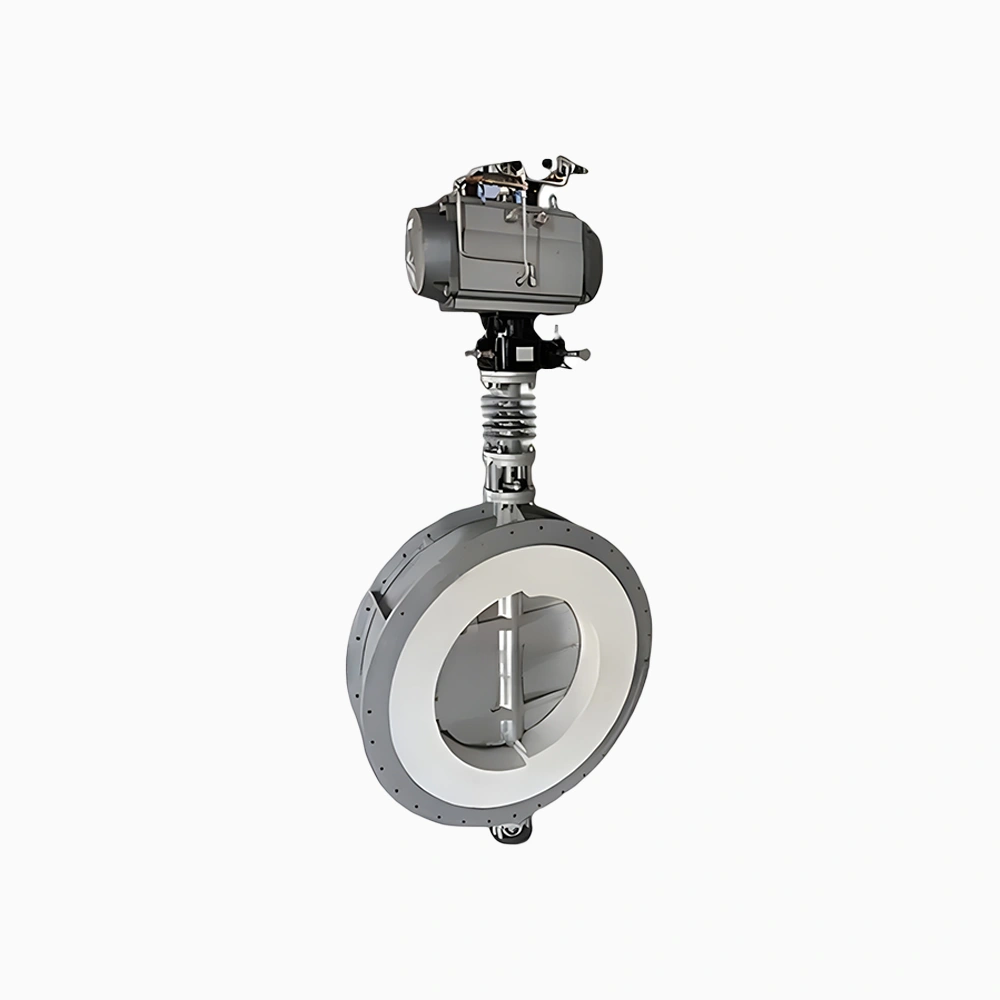
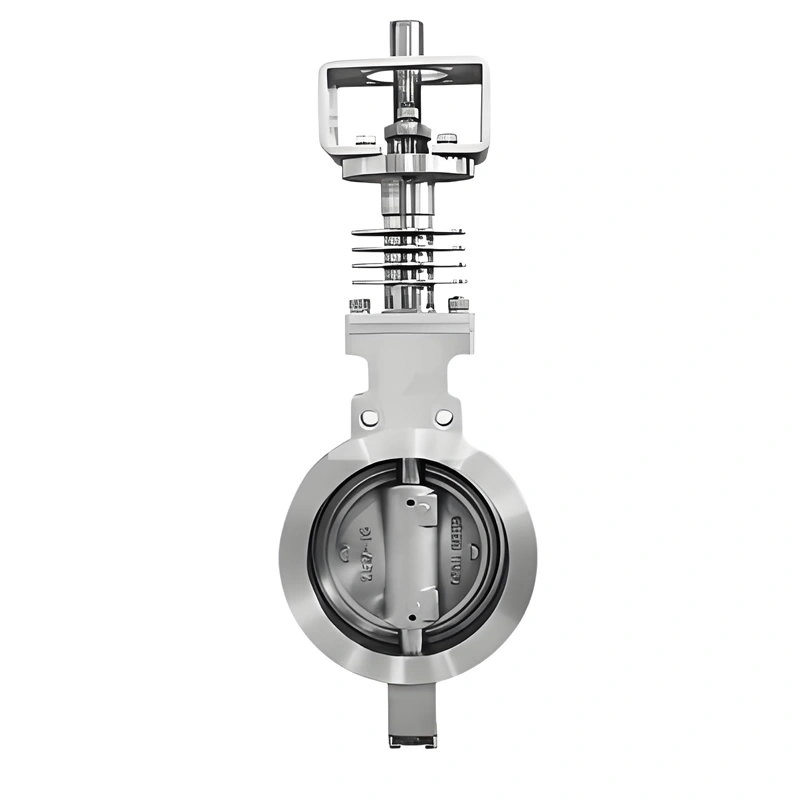
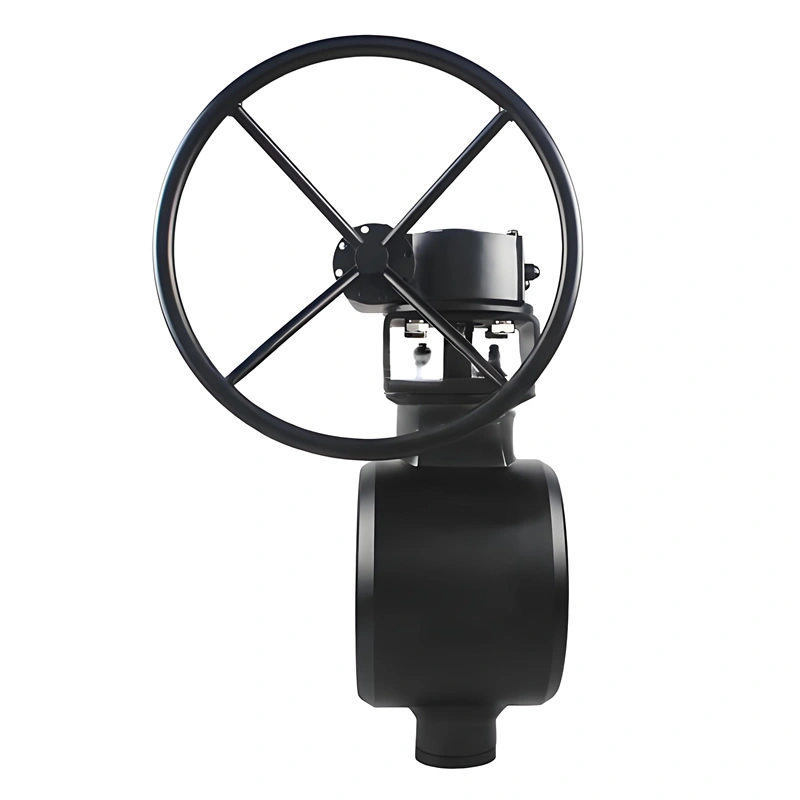
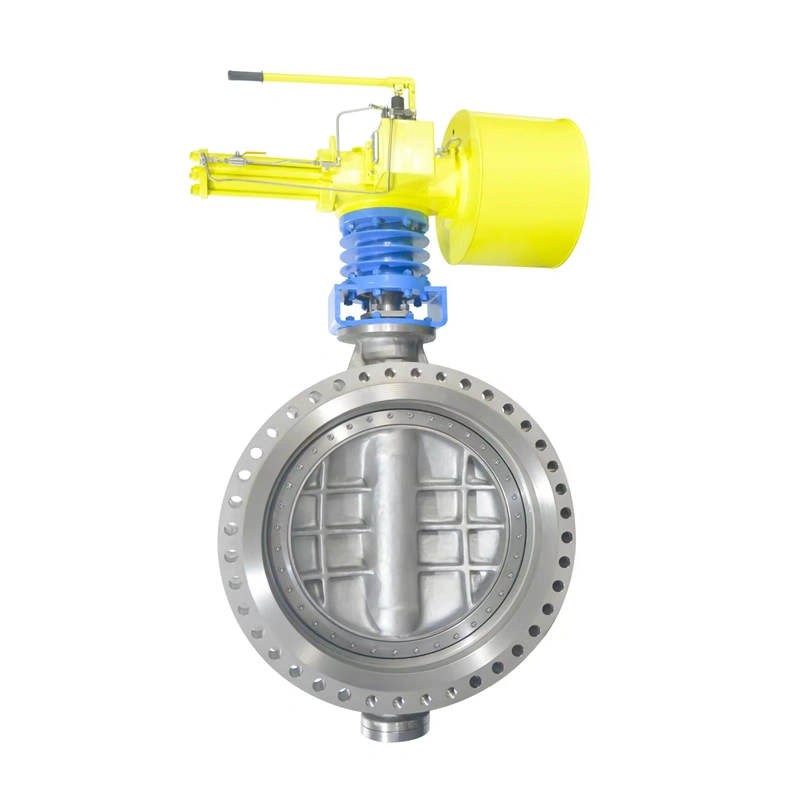
DN100 PN10 310S Metal Seal Pneumatic Single Acting Wafer/Flange Butterfly Valve
I. Product Overview
NWV 310S metal seal pneumatic single acting wafer/flange butterfly valve is a specialized high-temperature flow control solution engineered for extreme thermal environments. Crafted with 310S stainless steel—renowned for exceptional oxidation resistance at 800℃—it combines robust metal sealing with pneumatic single acting actuation to ensure reliable shut-off and regulation of hot gas, steam, and high-temp media. Ideal for industrial furnaces, metallurgical processes, and steam systems, it balances compact structure, automated operation, and high-temperature durability, backed by ISO 9001 and CE certifications for global application compliance.
II. Key Attribute Parameters
Size Range: 1/2~8 inch (DN15~DN200), covering small to medium-diameter pipelines for diverse high-temperature flow control needs.
Pressure Range: 0~1 bar (PN10), optimized for low to medium pressure high-temperature systems such as industrial furnace flue gas and low-pressure steam lines.
Temperature Range: ≤800℃, validated for stable operation in extreme heat, withstanding continuous exposure to high-temp gas and steam.
Material Configuration:
Body & Disc: 310S stainless steel (ASTM A182 F310S), a high-nickel-chromium alloy (Cr25-28%, Ni19-22%) resisting oxidation and sulfidation at 800℃+.
Stem: Stainless steel (304/316), ensuring corrosion resistance and smooth rotation under thermal expansion.
Bracket: Carbon steel (painted for rust resistance), providing stable support between actuator and valve body.
Actuator: Pneumatic single acting (spring-return), with aluminum alloy housing resistant to 120℃ ambient temperature.
Connection Type: Wafer or Flange (per DIN/ANSI/GB/JIS), enabling flexible integration with different pipeline standards.
Certifications: ISO 9001:2015, CE, ensuring compliance with global quality and safety standards.
III. Features Description
310S High-Temperature Resistance: The valve body and disc, forged from 310S, form a robust structure that retains mechanical strength at 800℃. Its dense chromium oxide film prevents scaling and corrosion in hot gas (e.g., flue gas with sulfur compounds) and steam environments, eliminating premature failure from thermal degradation.
Metal-to-Metal Sealing: Precision-machined disc and seat surfaces (Ra ≤0.8μm) form a metal seal, avoiding the limitations of rubber seals (which degrade above 200℃). This design maintains tight shut-off even under thermal expansion, suitable for dry or low-lubricity high-temp media.
Pneumatic Single Acting Actuation: Equipped with a spring-return actuator, the valve automatically returns to the default position (open/closed) when air supply is lost—critical for safety in high-temperature systems where power failure could cause overheating or media leakage.
Dual Connection Options: Wafer type reduces installation space in compact pipelines; flange type ensures enhanced sealing for higher-pressure hot gas applications. Both comply with multiple standards (DIN/ANSI/GB/JIS) for global compatibility.
Compact Structure: The butterfly valve design minimizes pressure drop compared to globe valves, improving flow efficiency in high-temperature pipelines. The integrated bracket ensures coaxial alignment between actuator and stem, reducing operational torque.
Product Overview
IV. Manufacturing Processes
310S Material Treatment: 310S forgings undergo solution annealing (1150℃ ±20℃, water quenching) to dissolve carbide precipitates, enhancing ductility and high-temperature corrosion resistance. Ultrasonic testing detects internal defects in critical components.
Disc & Seat Machining: Disc and body sealing surfaces are precision-ground with ceramic abrasives to achieve Ra ≤0.8μm, ensuring uniform contact under thermal expansion. The disc’s concentricity is calibrated to ±0.05mm to prevent jamming at high temperatures.
Actuator Integration: The pneumatic single acting actuator is mounted via a precision-machined bracket, with stem connection keyed to ensure torque transmission efficiency. Actuator springs are tested for fatigue resistance (100,000+ cycles) to guarantee reliable spring return.
Performance Testing:
High-Temp Pressure Test: Valve tested with 800℃ air at 1.5×rated pressure (1.5 bar) for 1 hour, verifying no leakage or structural deformation.
Actuator Function Test: 5,000+ cycle tests (open/close) under 6 bar air supply to confirm smooth operation and reliable spring return.
Corrosion Test: Salt spray testing for 48 hours on stainless steel components to validate atmospheric corrosion resistance.